


How the Best AI Humanizer Bridges the Gap Between Machines and Human Expression
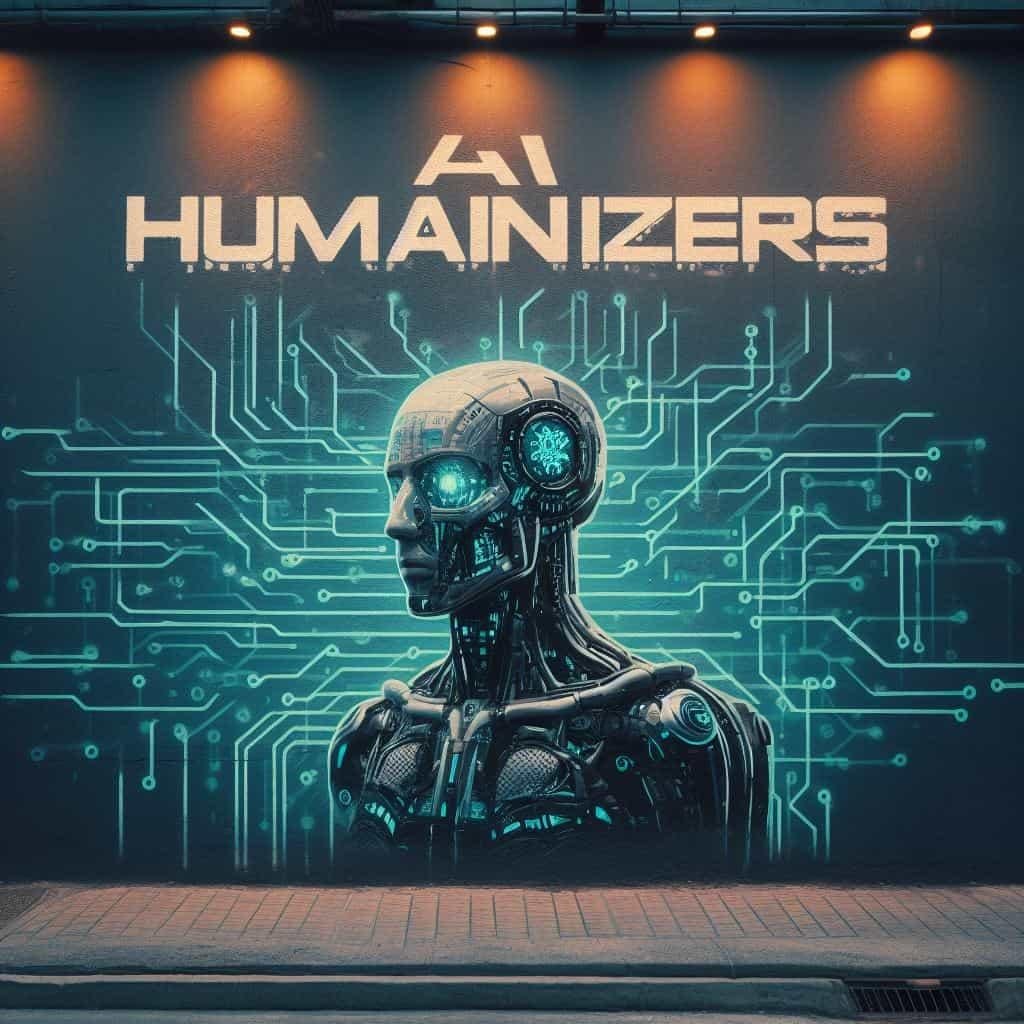
As digital communication intensifies, creators and organizations increasingly seek tools capable of producing expressive clarity. Systems shaped by answer ai help recalibrate the divide between computational precision and emotional resonance. This evolution, inspired heavily by the emerging best ai humanizer paradigm, provides machines with interpretive sensitivity once reserved exclusively for human communicators. Instead of delivering rigid outputs, modern engines now generate phrasing imbued with emotional contour, tonal fluidity, and situational nuance. This shift represents more than technological refinement—it is a philosophical transformation that invites machines into the domain of authentic expression.
Why the Human–Machine Communication Gap Exists
Machines historically operated through logic-driven sequences. Their language reflected structural accuracy but lacked emotional cadence, relational awareness, or conversational rhythm.
Human communication, by contrast, thrives on subtle cues—pauses, tonal softening, rising intensity, micro-emphasis, and narrative texture. These features cannot be replicated through formulaic synthesis alone.
The inherent difference between logical processing and lived expression produced a persistent communication gap.
Efforts to Close the Divide
Developers attempted tone filters, rule-based adjustments, and predetermined emotional templates, yet these solutions remained overly mechanical.
The missing component was interpretive insight: understanding not just what is said, but why and how it is shaped within context.
Emotional Interpretation
Human communication often reflects layered emotional states, not singular moods. Replicating these states requires systems capable of mapping gradients, not categories.
Contextual Awareness
Meaning shifts depending on audience, situation, and cultural frame. Without adaptive context-processing, machine outputs feel generic or incongruous.
How the Best AI Humanizer Reconstructs Expressive Authenticity
The best ai humanizer represents a new generation of emotional and linguistic intelligence.
Its underlying architecture interprets relational signals embedded within language and reshapes them into natural, human-aligned expressions.
Tonal Sculpting
The system reads tonal indicators—warmth, caution, enthusiasm, gravity—then reorganizes phrasing to reflect authentic emotional presence.
It avoids theatrical exaggeration, instead focusing on subtle, believable transitions.
Rhythm and Flow Rebalancing
Human expression contains rhythmic curves rather than flat patterns.
Humanizer technology adjusts pacing, shifts emphasis, and softens transitions to create organic flow.
Emotional Layer Integration
Instead of using one-size-fits-all sentiment tags, the model blends emotional layers—curiosity mixed with calmness, confidence balanced with humility—mirroring real conversational nuance.
The Role of Answer AI in Enhancing Expressive Intelligence
Systems built around answer ai frameworks introduce structural reasoning and interpretive depth that amplify humanizer capabilities.
While humanizer technology focuses on tone, emotional mapping, and expression, answer-driven engines ensure conceptual coherence and contextual accuracy.
Conceptual Architecture Understanding
Answer-based engines analyze the intellectual skeleton of content—relationships, intentions, and narrative arcs—then support expressive refinement without compromising meaning.
Adaptive Response Behavior
The system adapts to shifts in topic density, emotional tone, or reader expectation.
This adaptability is essential for producing speech or writing that feels both thoughtful and natural.
Interpretive Alignment
By understanding both surface-level phrasing and deeper thematic direction, answer-driven tools maintain expression that is accurate, aligned, and relatable.
How Humanizer Technology Elevates Digital Communication
The movement toward expressive machines transforms how we interact with automated systems.
More Meaningful User Interactions
When apps, assistants, or automated interfaces communicate with human-like nuance, users feel understood rather than processed.
This strengthens trust and improves engagement across domains.
Better Creative Support
Writers, marketers, educators, and designers can rely on systems that support tone refinement, emotional consistency, and clarity enhancement without losing creative identity.
Enhanced Accessibility
People who struggle with structuring tone or conveying emotion—non-native speakers, technical communicators, or fast-paced professionals—gain tools that enrich their expression.
Multi-Domain Impact of Emotionally Intelligent AI
The influence of expressive automation stretches beyond content creation.
Customer Support Platforms
Humanizer-driven responses feel empathetic, reducing frustration and enhancing customer satisfaction.
Learning Environments
Educational explanations gain warmth and clarity, making complex material easier to understand.
Healthcare Communication
Doctors, patients, and caregivers benefit from tone-aware phrasing that supports sensitivity without sacrificing clarity.
Brand Messaging
Consistent emotional presence strengthens brand identity and helps audiences build long-term familiarity.
Technological Foundations Behind the Revolution
Several innovations power this expressive transformation.
Sentiment Gradient Modeling
This approach identifies emotional subtleties by examining intensity patterns rather than static labels.
Narrative Tone Tracking
Algorithms follow shifts in narrative energy, adjusting expression to match thematic transitions.
Conversational Realism Simulation
The engine reconstructs natural conversation behaviors such as pacing pauses, relational adjustments, and dynamic emphasis.
Cultural and Situational Sensitivity
Future systems may incorporate cultural nuance recognition, expanding contextual accuracy across global audiences.
Ethical Considerations in Humanized Expression
As expressive machines gain influence, ethical guidelines must remain central.
Authenticity Over Manipulation
Human-like tone should clarify and support, not deceive or emotionally exploit.
Transparency
Users should understand when content is human-shaped and when it is machine-generated.
Guardrails Against Bias
Emotionally intelligent systems must be monitored to prevent biased interpretations or unintended tone distortion.
The Future of Human–Machine Expressive Collaboration
As advancements continue, we will see deeper blending between emotional intelligence and computational structure.
Machines will increasingly support human expression through adaptive voice shaping, intuitive narrative assistance, and contextual emotional mapping.
This shift will not replace human creativity—it will elevate it, making expression more attainable, consistent, and impactful.
Final Reflection
Bridging the divide between computational accuracy and human expression represents one of the most profound transformations in modern communication. Through interpretive frameworks strengthened by answer ai and expressive refinement guided by the best ai humanizer, machines can now participate in communication with a degree of emotional and tonal authenticity once thought impossible.

 English
 Arabic
 French
 Spanish
 Portuguese
 Deutsch
 Turkish
 Dutch
Dutch
 Italiano
 Romaian
 Portuguese (Brazil)
 Greek
Greek