


Modular Flooring Market: Enabling Fast Installation and Customizable Interiors
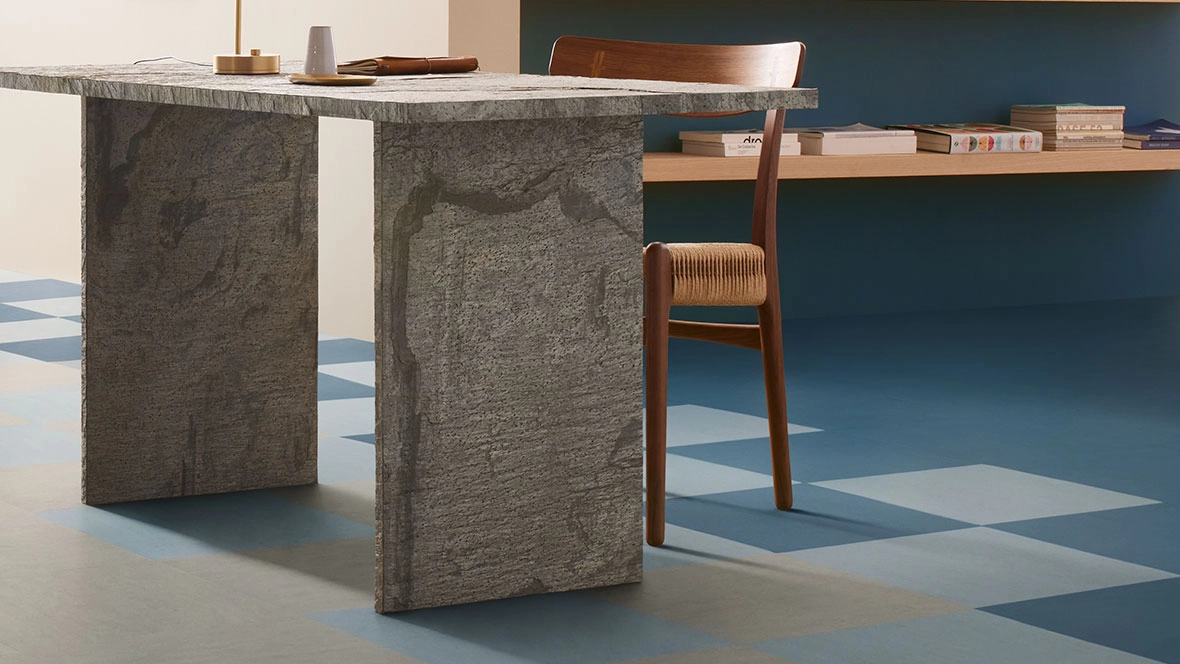
For many organizations, flooring decisions are no longer made solely on the basis of upfront cost or visual appeal. Instead, they are increasingly evaluated in terms of long-term performance, maintenance requirements, and adaptability to changing needs. Modular flooring fits well into this strategic perspective because it supports both operational efficiency and design flexibility.
A key strategic advantage of modular systems is their ability to reduce disruption during renovations or repairs. Individual sections can be replaced without shutting down entire areas, which is particularly valuable in environments such as offices, hospitals, and retail spaces. This operational benefit translates into real financial value by minimizing downtime and associated costs.
Within this framework, the Modular Flooring Market offers a range of options that can be aligned with different organizational priorities, whether those are cost control, sustainability, brand image, or user comfort. Choosing the right system becomes part of a broader facilities and asset management strategy rather than a one-off purchasing decision.
Insights from Modular Flooring Market Strategy show that successful adoption often involves cross-functional collaboration. Design teams, operations managers, and procurement specialists need to work together to ensure that flooring choices support both immediate project goals and long-term business objectives.
Another strategic consideration is standardization across multiple locations. Organizations with distributed facilities can benefit from using consistent modular systems that simplify maintenance, inventory management, and future upgrades. This standardization can also support brand consistency and operational efficiency at scale.
Sustainability is increasingly part of the strategic equation as well. Modular flooring’s potential for partial replacement and reduced waste aligns with environmental goals and corporate responsibility initiatives. When combined with products that use recycled or recyclable materials, this can strengthen an organization’s overall sustainability profile.
In the end, treating flooring as a strategic asset rather than a commodity purchase allows organizations to extract more value from their interior investments. Modular flooring, with its combination of flexibility, performance, and long-term efficiency, is well suited to support this more strategic approach to space planning and management.

 English
 Arabic
 French
 Spanish
 Portuguese
 Deutsch
 Turkish
 Dutch
Dutch
 Russian
 Romaian
 Portuguese (Brazil)
 Greek
Greek