


Carbomer Market Forecast: Business Opportunities Across Key Industries
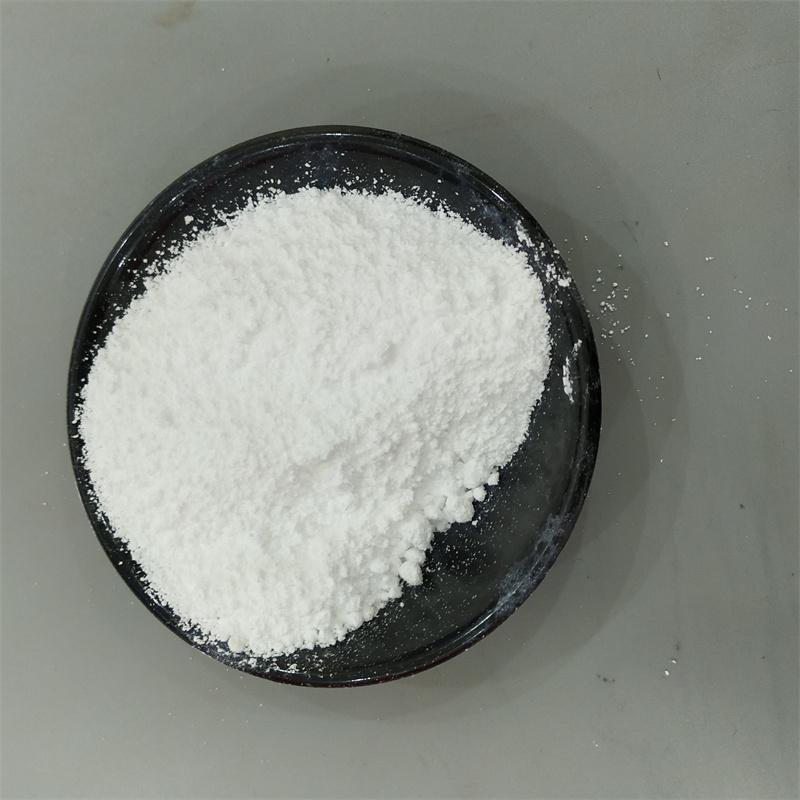
The formulation industry depends on materials that can deliver consistent performance across large production volumes and diverse applications. Carbomers fulfill this role by providing reliable thickening, stabilization, and texture control in cosmetics, personal care, and pharmaceutical products. Their technical versatility and predictable behavior make them a cornerstone ingredient in many modern formulations.
According to a recent report by Market Research Future, the Carbomer Market is closely linked to advances in product development and manufacturing efficiency. As brands compete on quality, usability, and appearance, the importance of dependable formulation aids becomes even more pronounced. Carbomers help meet these expectations by enabling precise control over product structure and performance.
Looking at the Carbomer Market Industry, competition is driven by more than just supply capacity. Product quality, consistency, regulatory compliance, and technical support all influence supplier selection. Manufacturers often prefer partners who can provide not only materials but also expertise in formulation and process optimization.
Customization is an increasingly important theme. Different end-use products require different rheological profiles, clarity levels, and stability characteristics. This pushes suppliers to offer a broader range of grades and to work more closely with customers on application-specific solutions. Such collaboration helps ensure that materials perform as expected in real-world production environments.
Sustainability is also reshaping industry priorities. Regulatory pressure and corporate responsibility goals encourage the adoption of more efficient processes and materials. While carbomers are synthetic, improvements in manufacturing efficiency and formulation design can reduce overall environmental impact, supporting broader sustainability strategies without compromising performance.
Digitalization and better process control tools are influencing how these materials are used. Enhanced monitoring and data analysis allow manufacturers to fine-tune formulations, improve consistency, and reduce waste. Ingredients that perform predictably within these systems are especially valuable, reinforcing the role of carbomers in modern production lines.
Human expertise remains essential despite technological progress. Skilled formulators and process engineers are needed to interpret data, solve compatibility issues, and adapt products to new requirements. Suppliers that invest in technical service and training are better positioned to support customers and build long-term relationships.
In conclusion, the carbomer industry plays a vital role in enabling high-quality, efficient, and competitive product development. Its future will continue to be shaped by innovation, sustainability, and the ongoing drive for better performance across formulation-driven markets.

 English
 Arabic
 French
 Portuguese
 Deutsch
 Turkish
 Dutch
Dutch
 Italiano
 Russian
 Romaian
 Portuguese (Brazil)
 Greek
Greek